We learned on other people's failed straps.
Gearhold began at the repair bench of a Chattanooga bike co-op, restitching pedal straps that kept failing riders. Fix enough of them and you see exactly where a strap gives out. So we stopped patching other people's straps and cut a pattern of our own.
We moved to Tunnel Hill and put Ruth, a 1978 bar-tack machine, to work. Ruth lays the six bar-tacks on every GH-1, and every GH-1 is cut from the same pattern.
We stay small on purpose: one strap pattern, five colorways, one bench. If the catalog ever needs a second page, something has gone wrong.
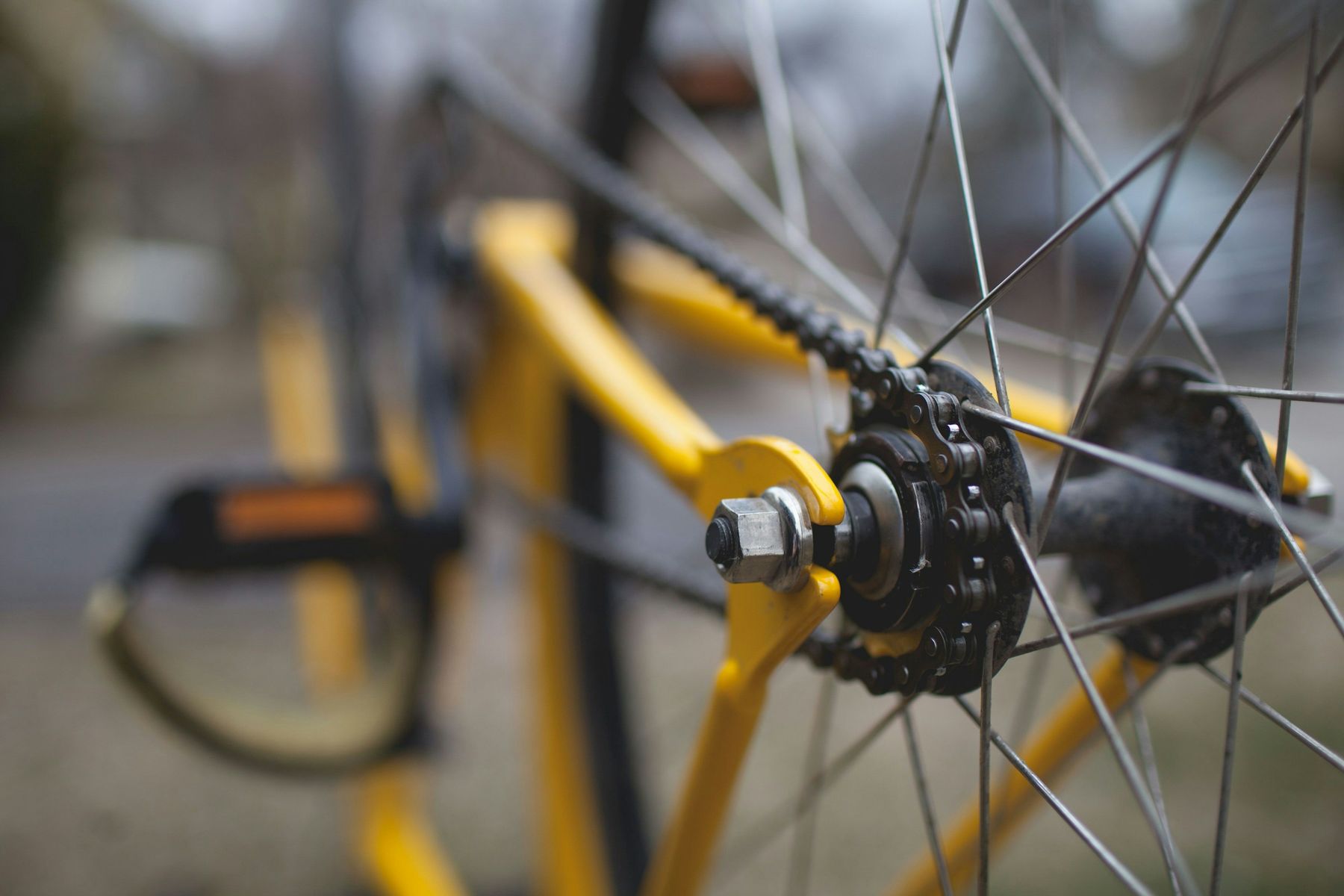
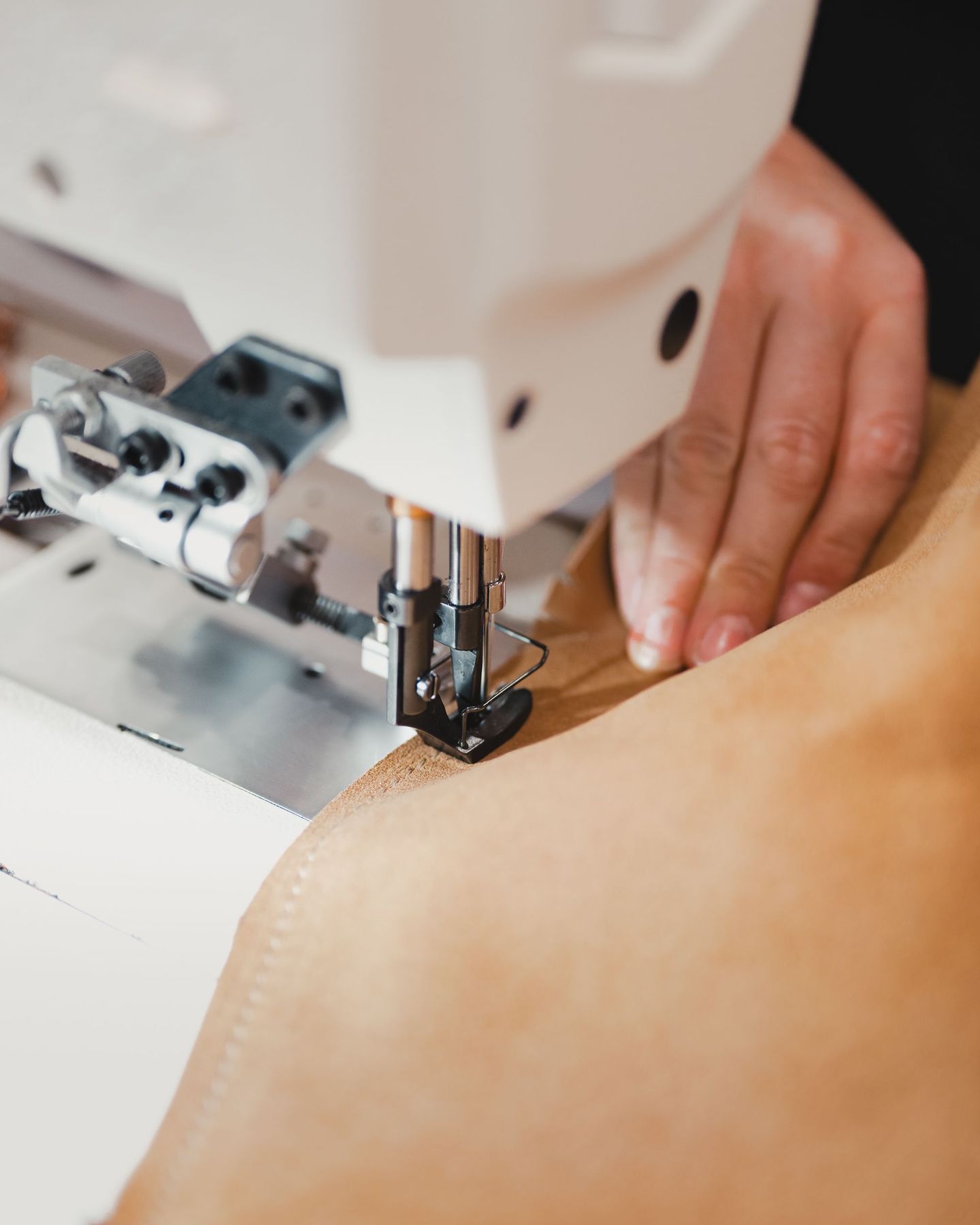
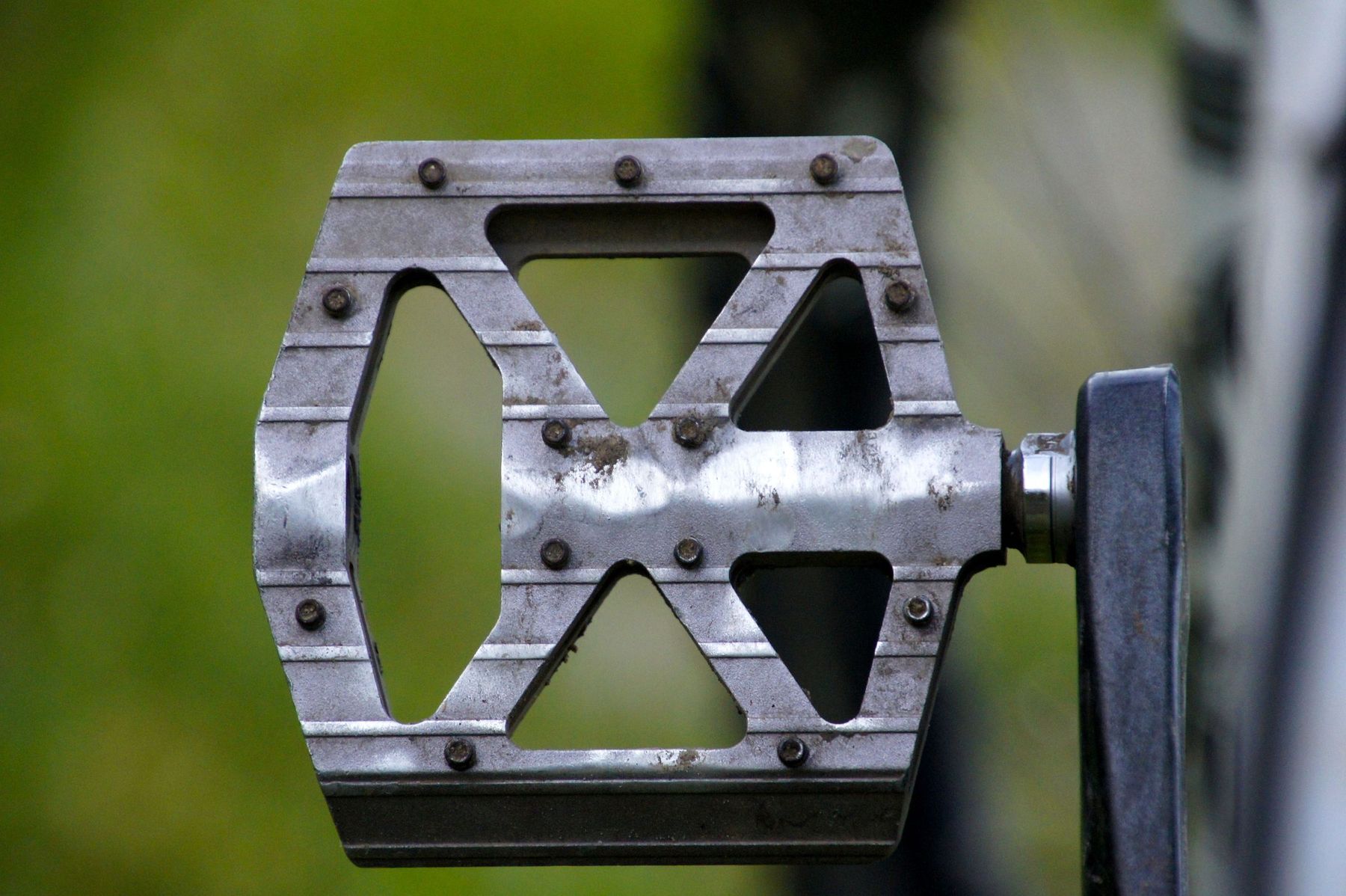
Five steps. The last one pulls 300 lb.
Cut, fuse, sew, rig, pull. The hot knife seals the nylon as it cuts. Two plies go under the press and fuse. Ruth lays six bar-tacks in #69 bonded thread. The 316 stainless buckle and D-ring go on by hand. Then every strap takes a 300 lb pull before it's packed: not a sample, every strap.
4,400 lb webbing. Marine-grade stainless.
The webbing is two-ply nylon with 4,400 lb of tensile strength, dyed through so the color is in the fiber, not printed on top. Buckles and D-rings are 316 stainless, the marine grade, powder-blasted so they grip the webbing instead of chewing it. The thread is #69 bonded, laid in six bar-tacks. No plastic hardware anywhere on the strap.
Two plies, fused and sewn into a doubled loop. Stiff enough to stand open over the pedal for your foot, soft enough to fold flat in a pocket.
Buckle and D-ring in 316, the marine grade of stainless, powder-blasted so they grip the webbing instead of chewing it. It is the grade made for salt water, and winter roads are salty.